
Turn Bad Luck into Good Fortune and Enhance Prosperity This Chinese New Year!
“Xīn zhèng rú yì xīn nián fā cái (新正如意, 新年发财)” is a greeting that Chinese descendants are familiar with and often say during the Chinese New Year to give blessings to respected elders. It means “May this New Year bring you fulfillment and prosperity.” The Chinese New Year is an important time for Chinese people and those of Chinese descent, as it celebrates the beginning of a new year and also reflects the belief in Chinese astrology. At the start of the year, many people check their horoscopes and prepare for any challenges associated with the "year of conflict" or "Pi Chong" (ปีชง), a long-standing tradition in Chinese culture.
The origin of “Lunar New Year”
"Lunar New Year" is one of the most significant traditions in Chinese culture, originating from beliefs and agricultural practices. Historically, the Chinese relied on the lunar calendar to determine the best times for planting and harvesting. This festive occasion usually aligns with the end of winter and the beginning of spring, symbolizing a time for celebration, renewal, and preparation for the upcoming agricultural season. It also fosters a sense of community and uplifts morale.
Another belief associated with Lunar New Year involves a mythical creature called "Nian" (年), which villagers believed would come out to wreak havoc on New Year's Eve. To ward it off, people would light firecrackers, hang red lanterns, and decorate their homes in red. It is believed that the color red and loud noises can drive away evil spirits and bring good fortune in their place.
What is “Pi Chong”?
Many people may think that “Chong” refers to conflict or clashes that result in misfortune. However, if we delve into the true meaning of the word “Chong” (冲) in Chinese, as referenced in the Comprehensive Chinese Dictionary (Hànyǔ Dà Cídiǎn, 汉语大词典)1 — regarded as the most authoritative and complete Chinese dictionary — the term “Chong” in Chinese astrology is found in the phrase 冲犯 (Chongfàn). This describes beliefs related to the "Five Elements" — Wood, Fire, Earth, Metal, and Water — which are interconnected through cycles of harmony and conflict.
In this explanation, the Five Elements share two primary types of relationships:
- Supportive Relationships : Elements that generate one another provide mutual assistance and enhancement. For example, Wood generates Fire, and Fire creates Earth.
- Conflicting Relationships : Elements that suppress or counteract one another serve to control and balance. For instance, Water suppresses Fire, and Fire counters Metal.
The conflicts within the Five Elements system are not inherently negative. On the contrary, they help maintain balance and harmony in nature and life.
Therefore, “Pi Chong” does not always signify misfortune. Instead, it represents a sign of change that could bring opportunities and personal growth. By handling it appropriately, we can adapt and achieve a better balance in our lives.
Why is “Pi Chong” associated with Lunar New Year?
Lunar New Year is an important time for people of Chinese descent worldwide as it marks the beginning of the lunar calendar year. As a result, many use this time to check their fortunes or assess their "Pi Chong" to prepare for any challenges that may arise in the upcoming year. In Chinese astrology, the belief in "Pi Chong" arises from the clash of energies between a person’s birth year and the zodiac sign of the current year. For example, if the zodiac sign of the current year (2025) is the Year of the Snake, those born in the Year of the Pig may be considered to be in Pi Chong with this year, which could bring obstacles or challenges to watch out for. Checking Pi Chong during Lunar New Year is not just about fate but also about building confidence and preparing both physically and mentally. Many also use this opportunity to perform acts of merit, clear bad luck, enhance their fortunes, or adjust their Feng Shui to bring blessings and good fortune throughout the new year.
Tips for Enhancing Your Luck During Pi Chong This Lunar New Year
If you’re looking for ways to enhance your luck and bring blessings into your life this Lunar New Year, this article from King Power has gathered essential tips for navigating Pi Chong and boosting your fortune. Start the year with positivity and welcome prosperity with confidence!
- Worshiping Tai Sui : It is believed that entrusting your fate to him will bring good fortune. If your fate is already good, it will become even more prosperous. If there are obstacles, he will help to alleviate them. You can worship at Wat Mangkon Kamalawat (Wat Leng Noei Yi) to enhance your fortune for the new year.
- Make merit to enhance your fortune : Giving alms to monks, releasing fish, or donating blood can boost positive energy and help alleviate the effects of an unlucky year.
- Wear RED items : Red is considered an auspicious color in Chinese culture, believed to ward off bad luck and enhance positive energy. In addition to clothing, you can carry red accessories or use red personal items, such as bags, watches, etc.
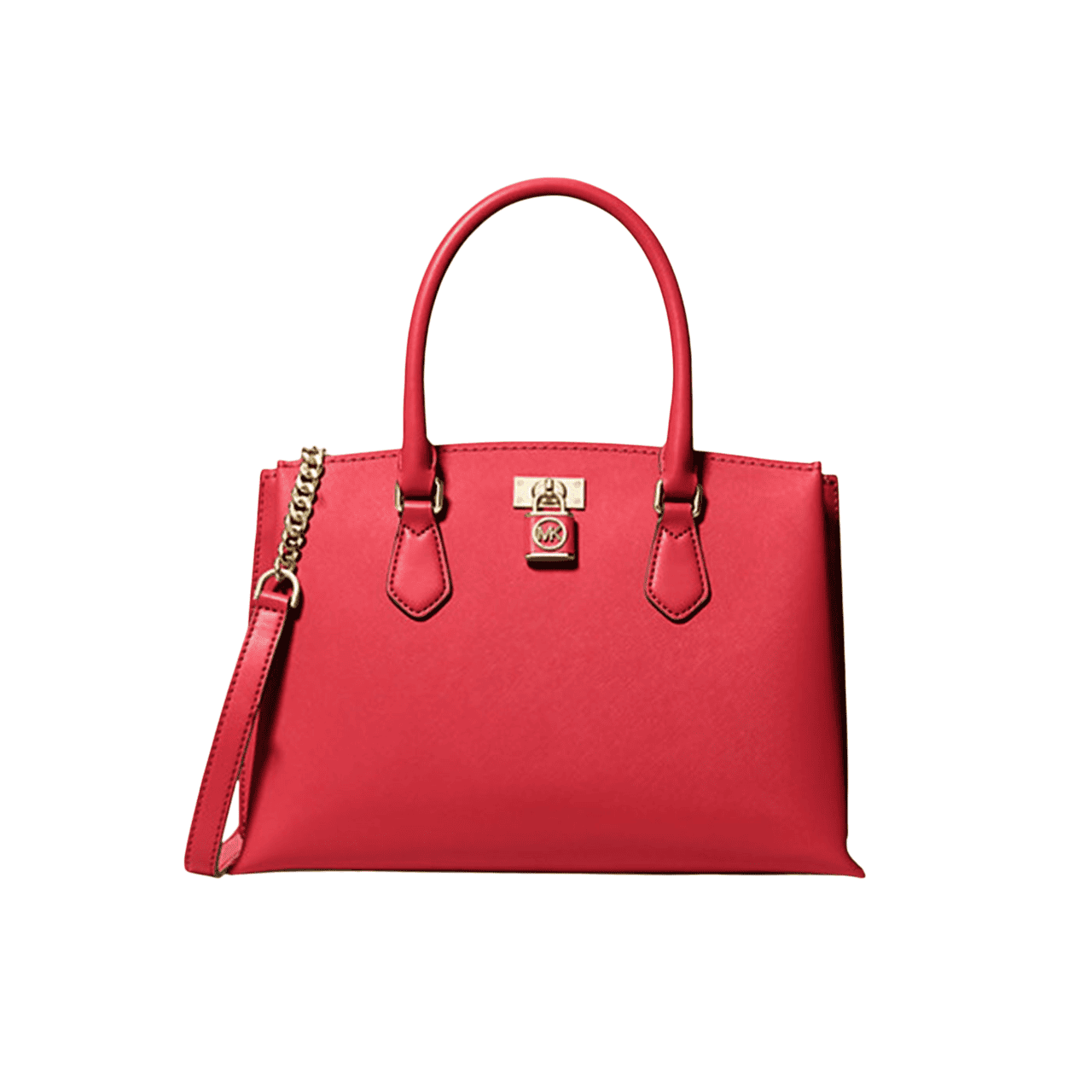
MICHAEL KORS Ruby Medium Saffiano Leather Satchel - Red

TISSOT Lovely T1400091611100 Watch - 19.5 mm
- Pay respects and seek blessings from elders : A tradition that reflects respect and gratitude towards senior family members. Younger generations present small gifts and extend heartfelt blessings as a gesture of love and well-wishes.
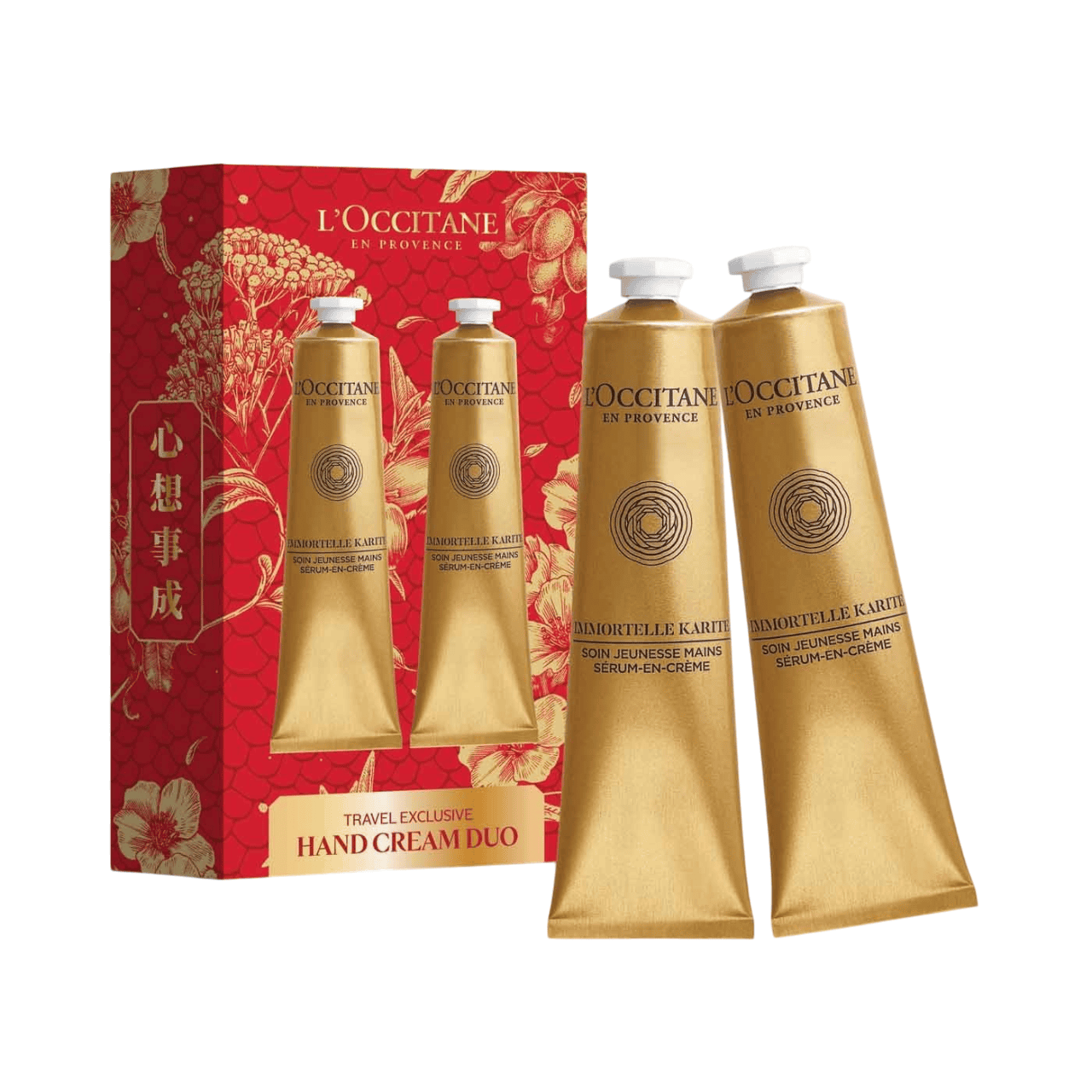
L'OCCITANE CNY 25 Youth Hand Cream (Duo) - 75 ml x 2
Why do the Chinese believe that RED is an auspicious color?
In important and auspicious events in Chinese culture, red is often the dominant color because it is believed to be auspicious. However, red is actually an important symbol in Chinese culture, reflecting its unique identity and beliefs in many aspects.
The Meaning of Red in Chinese Culture
- Color of Luck and Wealth : Red is considered a symbol of good fortune, wealth, and success. It is often used during significant occasions such as weddings and the Chinese New Year to enhance blessings and bring luck into one’s life.
- Energy and Vitality : Red reflects energy and liveliness. It is believed to ward off bad things and promote positive energy for those who wear or use it.
- Protection and Warding Off Evil : According to traditional beliefs, red has the power to protect against demons and evil spirits. In the legend of the Nian monster, it is said that the color red can effectively drive away these evil forces.
- Symbol of Power : Red represents "Yang," which stands for the sun and masculine energy. It symbolizes movement, enthusiasm, growth, prosperity, and good fortune, as well as respect, protection, and social acknowledgment.
The Role of Red in Chinese Culture and Lifestyle
- Chinese New Year : Homes are often decorated with red items, such as lanterns, auspicious phrases, or red banners, to enhance blessings and welcome good fortune in the new year.
- Weddings : In traditional Chinese weddings, the bride usually wears a red dress, symbolizing luck and auspiciousness, reflecting hopes for a marriage filled with happiness.
- Red Envelopes (Ang Pao) : Red envelopes are often given during significant occasions such as Chinese New Year, weddings, or birthdays to express good wishes and deliver luck and happiness to the recipients.
- National Symbol : The red on the Chinese national flag represents unity, great power, and the strong spirit of the Chinese people.
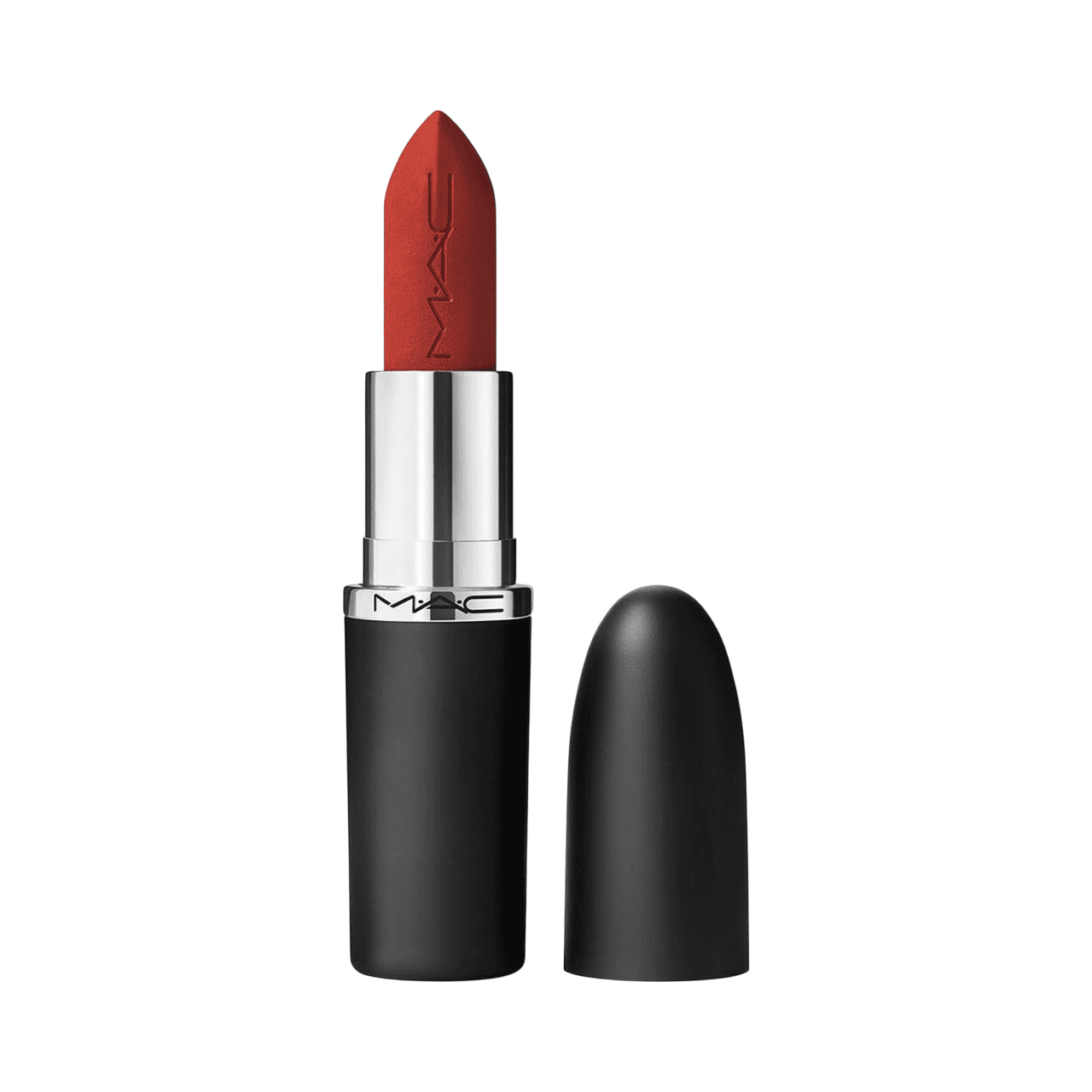
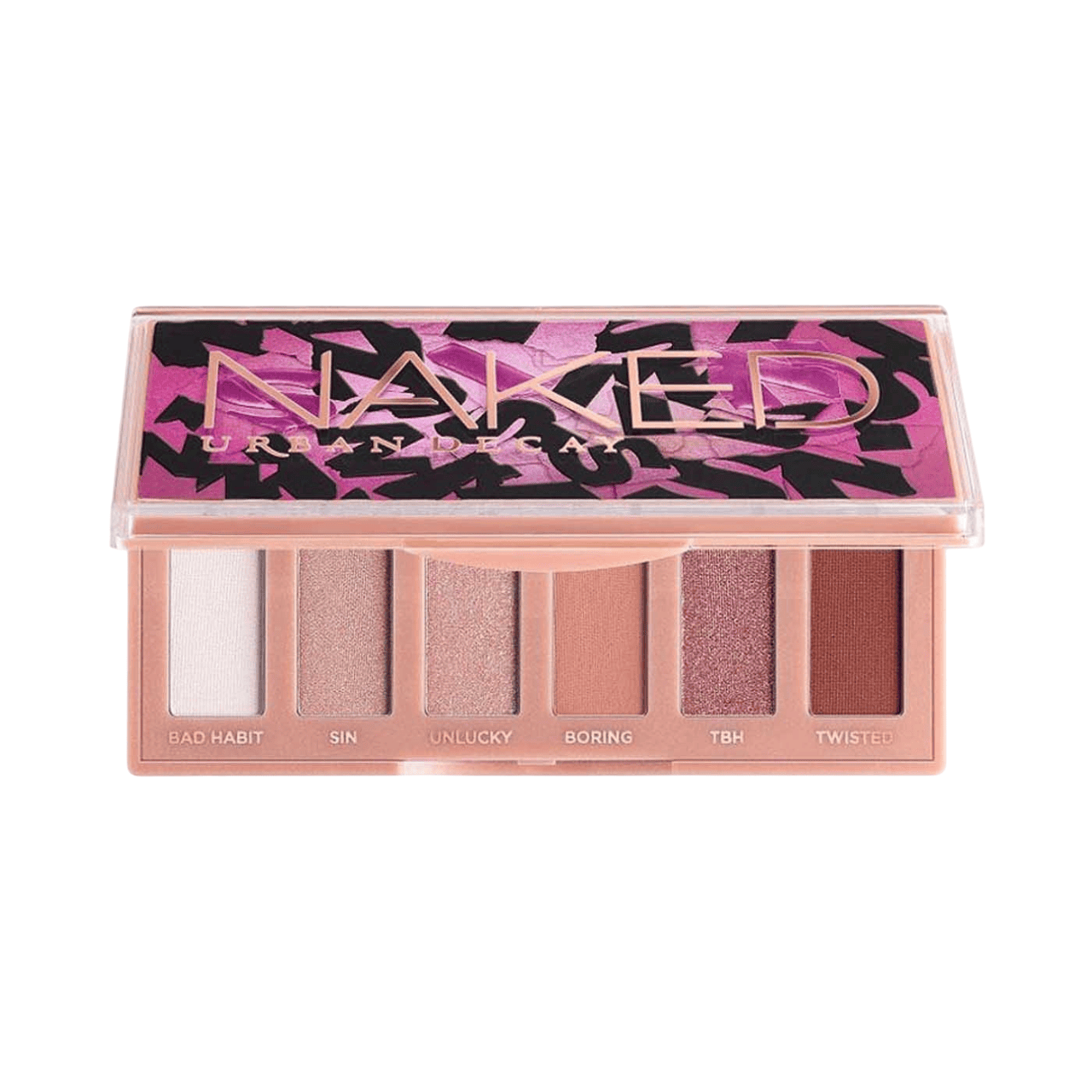
King Power presents a special selection of red items to enhance blessings in your life, perfect for personal use or as a thoughtful gift to share good fortune with loved ones.
|
|
|
|


Reference
1Chinese Dictionary Compendium. (n.d.). Entry: 冲犯. Retrieved January 21, 2025, from https://www.hanyucidian.org/dictionary/entry?dictionaryCode=hydcdcx&entryName=冲犯